News
What Does Making Tax Digital Mean for Sole Traders?

The Short Version
From April 2026, if you're a sole trader earning over £50,000, HMRC wants you to report your income and expenses four times a year instead of once. You'll need compatible software to do it. No more shoebox of receipts and a January panic.
That's it. That's the headline.
But there's more to it than that - and honestly, it's not as scary as the internet makes it sound. Let's break it down.
So What's Actually Changing?
Right now, most sole traders file one Self Assessment tax return per year. You gather up your numbers in January, send them to HMRC, pay what you owe, and forget about it until next year.
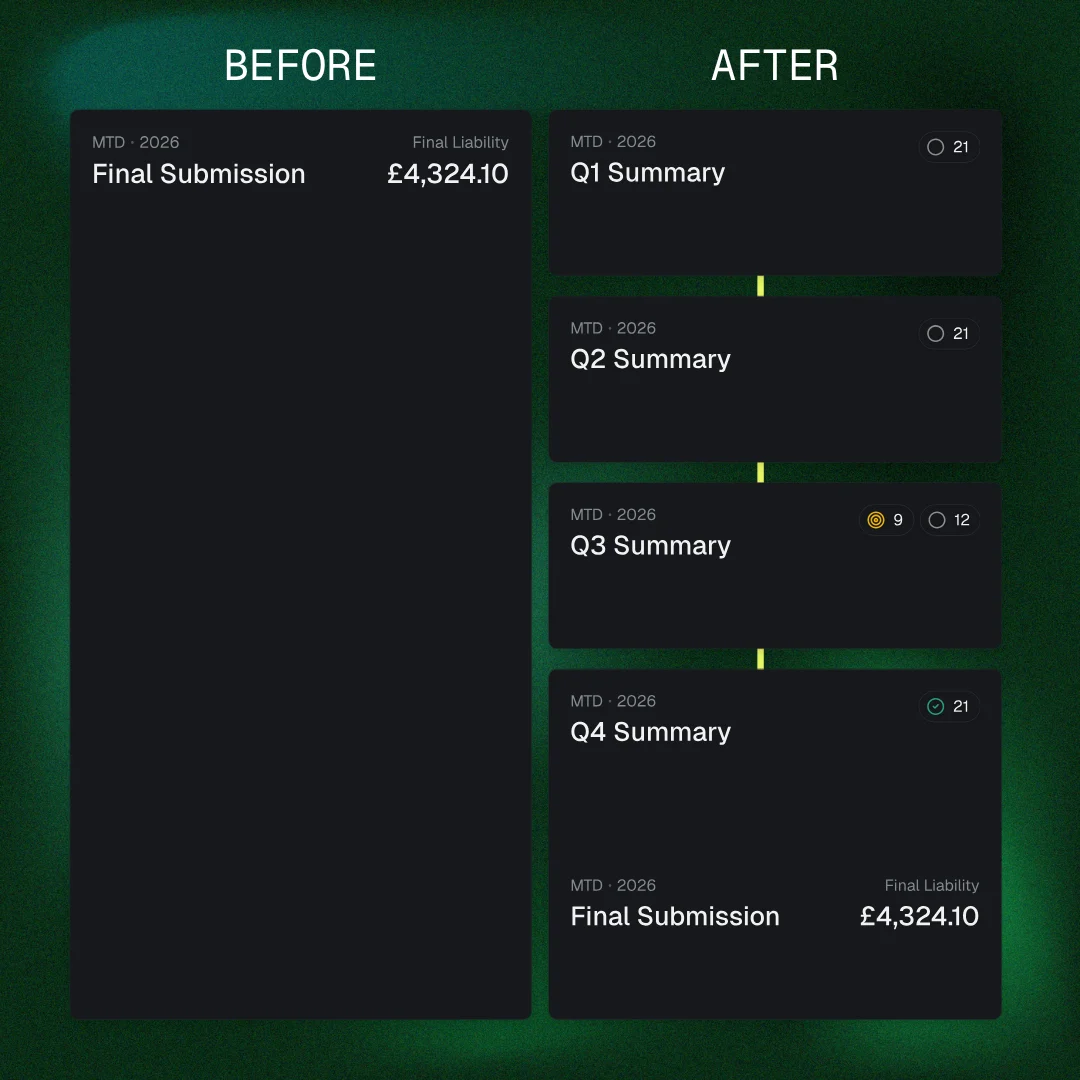
Making Tax Digital for Income Tax (MTD for ITSA) replaces that with:
- Four quarterly updates sent to HMRC through compatible software
- One final declaration at the end of the tax year (still due by 31 January)
- Digital record keeping - your income and expenses tracked in software, not spreadsheets and shoeboxes
The quarterly deadlines are 7 August, 7 November, 7 February, and 7 May. Miss one and you start racking up penalty points.
Does This Affect Me?
It depends on how much you earn:
| When | Who's Affected |
|---|---|
| April 2026 | Sole traders earning over £50,000 |
| April 2027 | Sole traders earning over £30,000 |
| April 2028 | Sole traders earning over £20,000 |
That's gross income - what comes in before expenses. Not your profit. So if you invoice £55,000 a year but your take-home after costs is £35,000, you're still in the April 2026 group.
HMRC says 864,000 people are affected in the first wave alone. If you're a plumber, electrician, consultant, personal trainer, designer, photographer - basically any self-employed person earning above the threshold - this means you.
What Do I Actually Need to Do?
Here's the honest, no-fluff checklist:
1. Get MTD-compatible software
You can't just type your numbers into HMRC's website anymore. You need software that talks directly to HMRC's systems. That means apps like Xero, FreeAgent, QuickBooks - or Aarvo, which was built specifically for sole traders who want something simpler than traditional accounting software.
2. Record your income and expenses digitally
Every transaction needs three things logged: the amount, the date, and the category (the same categories you'd use on your Self Assessment). No more scribbling "fuel - £40" on a Post-it note.
3. Send quarterly updates
Every three months, your software generates a summary of your income and expenses. You review it, hit send. If your records are up to date, this should take minutes - not hours.
4. File your final declaration
After the fourth quarter, you'll file a year-end declaration (similar to your current Self Assessment). Still due 31 January.
The Pain Points Nobody Talks About
Let's be real - here's where people are frustrated, and they're not wrong to be:
"I just want to do my job, not admin."
If you're a sole trader, you probably became self-employed to do the thing you're good at - not to spend evenings categorising receipts. MTD means you now need to keep on top of your books throughout the year, not just in January. For a lot of people, that feels like HMRC just quadrupled their paperwork.
"I've been using spreadsheets for years. Why do I need software?"
You can technically still use spreadsheets, but they need a "digital link" to HMRC - meaning bridging software that connects your spreadsheet to HMRC's API. Manual copy-pasting between systems is explicitly not allowed. For most people, it's easier to just use proper accounting software.
"How much is this going to cost me?"
Software subscriptions range from £10-£60/month depending on what you choose. That's £120-£720 a year you weren't paying before. It's a real cost. Some apps like Aarvo are designed to be more affordable for sole traders who don't need enterprise-level features.
"What if I mess up a quarterly submission?"
HMRC has introduced a points-based penalty system. One point per missed deadline. Hit the threshold (4 points for quarterly submissions) and you get a £200 fine. But here's the good news - HMRC confirmed there's a grace period for the first year (2026/27). No penalty points for late quarterly updates during the first year. They're easing you in.
The Stuff You're Probably Not Claiming
Here's where MTD might actually work in your favour. When you're tracking expenses properly throughout the year, you tend to claim more of what you're entitled to. Things like:
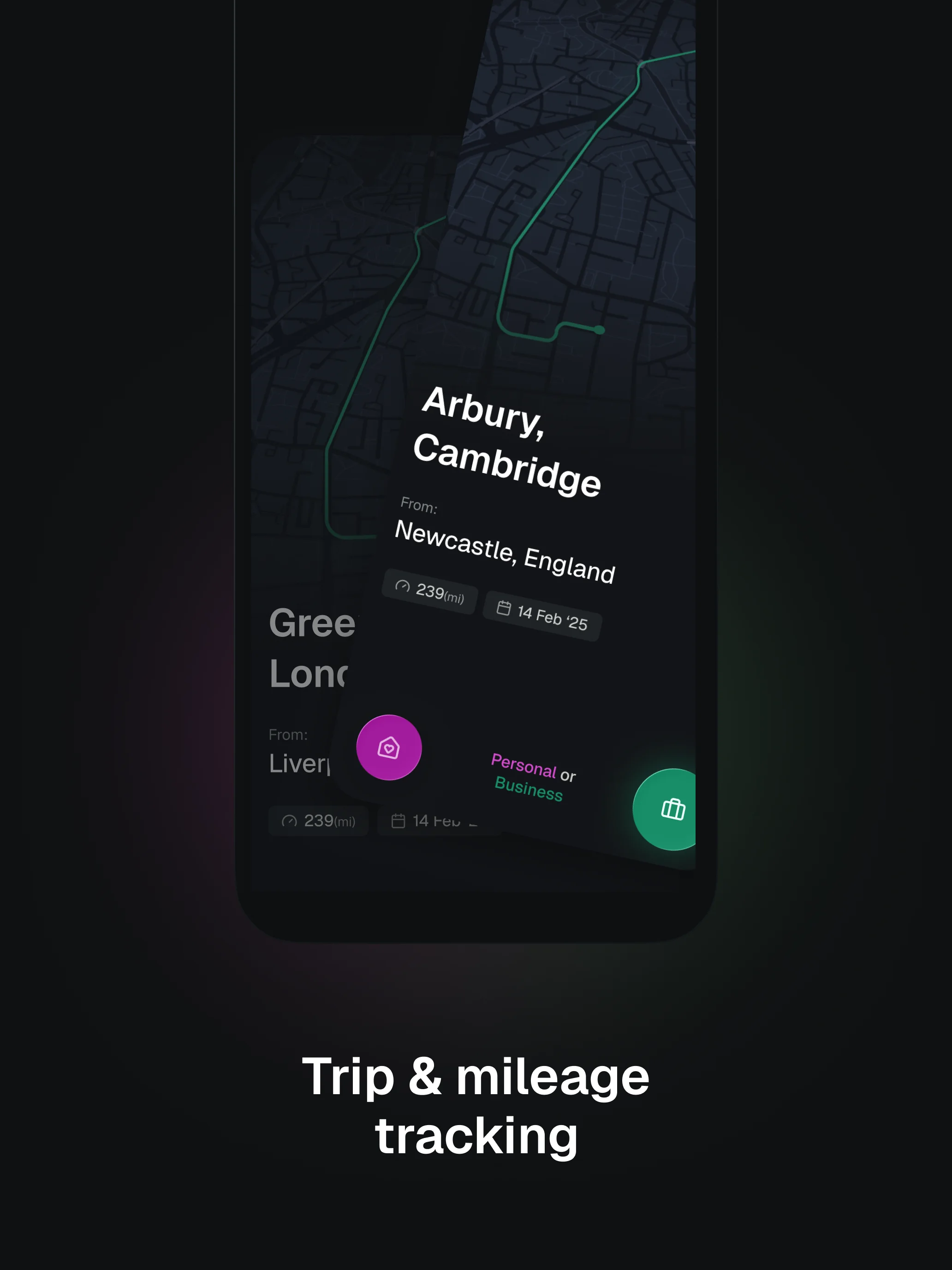
Mileage - If you drive for work, you can claim 45p per mile for the first 10,000 miles and 25p after that. But you need records. Date, destination, purpose, miles driven. Most sole traders massively under-claim on mileage because they can't remember their trips six months later.
Home office costs - Working from your spare room? You can claim a proportion of your household bills. But you need to track it.
Equipment and tools - Laptop, phone, tools of the trade. All claimable. But only if recorded.
Training and subscriptions - Courses, professional memberships, software you use for work.

The reality is that most sole traders leave money on the table because tracking expenses is painful when you do it manually. When you're logging things as they happen - snapping a photo of a receipt, swiping to confirm a trip - you capture everything.
Picking the Right Software
You've got options. Here's what matters:
Xero - The industry standard. Powerful, lots of features, integrates with everything. But it's built for accountants as much as business owners. Plans start around £16/month and it can feel overwhelming if all you need is simple income/expense tracking.
Aarvo - Built for sole traders who want something that doesn't feel like accounting software. Think swiping left and right on trips like Tinder - confirm or dismiss in seconds. Receipt scanning, automatic categorisation, MTD submissions baked in. It's designed for people who'd rather spend 2 minutes a day than 2 hours a month.
FreeAgent - Popular with freelancers. Good for time tracking and invoicing. NatWest customers get it free.
QuickBooks - Solid option, well-known. GPS mileage tracking on the app. Plans from around £10/month for sole traders.
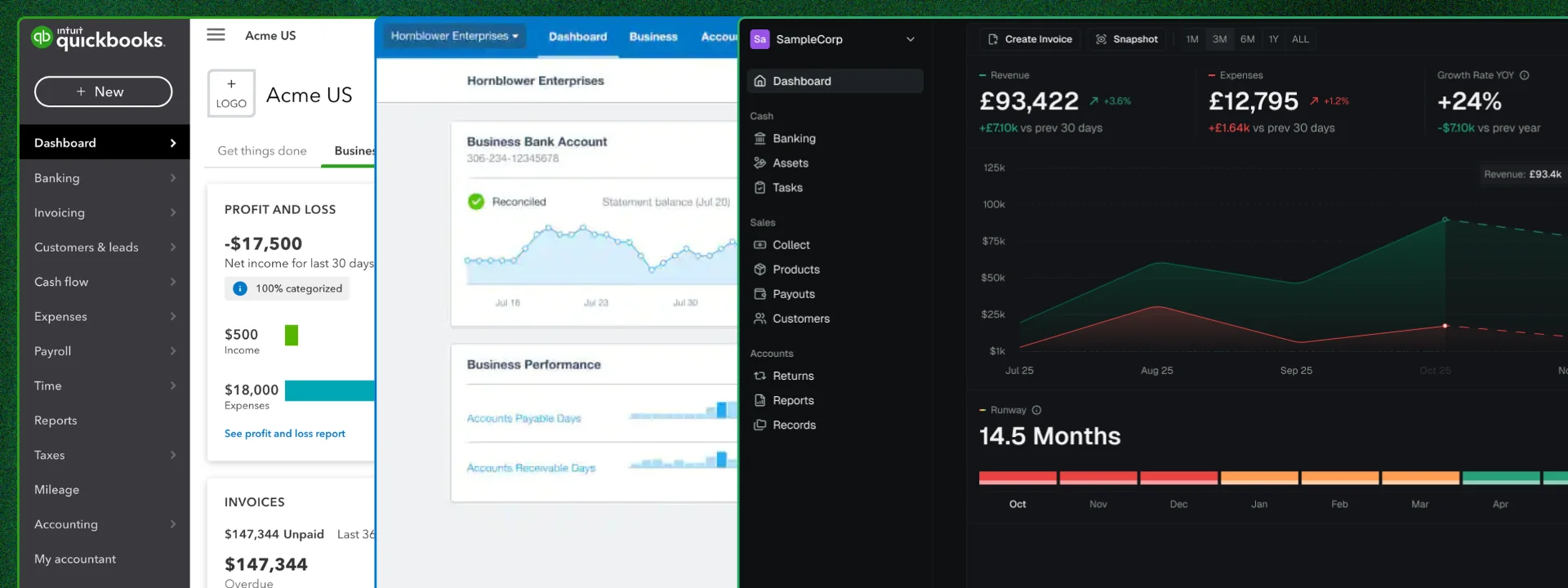
The key thing is to pick something before April 2026, get your records in, and start building the habit now. Switching mid-year is a pain.
What Happens If I Ignore It?
Don't. Here's the penalty structure:
- Late submission: 1 penalty point per missed quarterly update. Hit 4 points and you get a £200 fine.
- Late payment: Interest charges from day 1. After 15 days, a 2% penalty on the outstanding amount. After 30 days, another 2%.
- Grace period: First year (2026/27) has no penalty points for late quarterly submissions. But don't let that make you complacent - the final declaration penalties still apply.
HMRC aren't messing about. They've been building towards this since 2015. It's happening.
FAQ
Do I need to sign up for MTD?
Yes. If your qualifying income is over £50,000, you need to sign up through your HMRC online account before April 2026. Don't wait until the last minute - the HMRC systems tend to get hammered near deadlines.
What counts as qualifying income?
Gross self-employment income and/or property income. Employment income (PAYE) and pensions don't count towards the threshold.
Can my accountant handle this for me?
Yes, but you'll likely need to change how you work together. Instead of handing over a bag of receipts once a year, you'll need ongoing coordination. Many accountants are already setting up quarterly review schedules with their clients.
I earn under £50,000 - do I need to do anything?
Not yet. But the threshold drops to £30,000 in April 2027 and £20,000 in April 2028. Getting set up now means you're ahead when it does affect you.
Is the annual Self Assessment going away?
Not entirely. The final declaration is essentially a simplified version of Self Assessment. But the quarterly updates replace most of the heavy lifting.
Get Ahead of It
MTD isn't optional and it isn't going away. The smartest move is to start tracking your income and expenses digitally now - even if you're not in the first wave. Build the habit when the stakes are low.
If you want something that makes this feel effortless rather than like a chore, take a look at Aarvo. It's built to help you capture every expense you're entitled to - so the software pays for itself before your first quarterly update.
Related reading: If you're also a landlord, check out our guide on what MTD means for landlords. Or if you work in construction, see what MTD means for CIS subcontractors. You can also explore Aarvo's documentation or see how we compare on pricing.
This guide references official HMRC guidance and is accurate as of March 2026. Tax rules can change - always check GOV.UK for the latest.

Aarvo Team
Product updates and insights
Related articles
View all news →
What Does Making Tax Digital Mean for Landlords?
Making Tax Digital for landlords starts April 2026 if your property income tops £50,000. Quarterly reporting, what expenses to track, and software options.
Aarvo · 30 Mar 2026

What Does Making Tax Digital Mean for CIS Subcontractors?
Making Tax Digital for CIS subcontractors from April 2026. Your CIS deductions don't change, but quarterly reporting to HMRC is new. Here's what to do.
Aarvo · 26 Mar 2026
The Edge You Never Knew You Needed
10 years of building businesses without understanding my own numbers. That frustration became Aarvo. Here's the story from our founder.
Aarvo · 12 Nov 2025